


Green Roofs and Brown Roofs: Sustainable Roofing Solutions for Contemporary Homes
Green roofs and brown roofs are increasingly popular features in home extensions, renovations and new-build projects across London and the South East. At Shape Architecture Ltd, we regularly incorporate sustainable roofing solutions into our residential projects, helping clients create homes that are both environmentally responsible and visually striking.
What is a Green Roof?
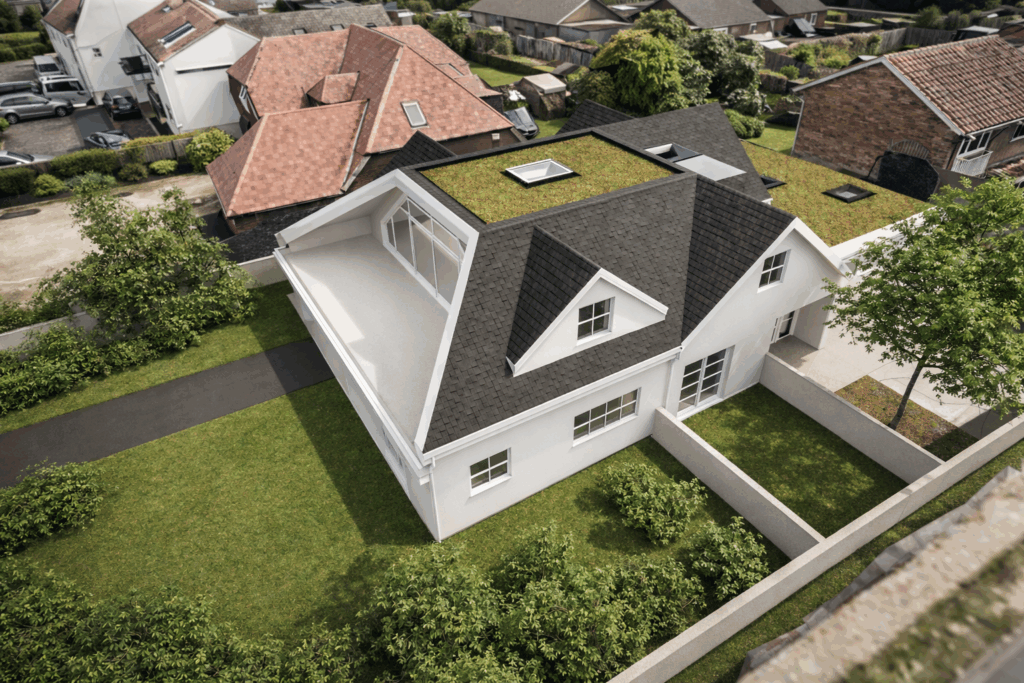
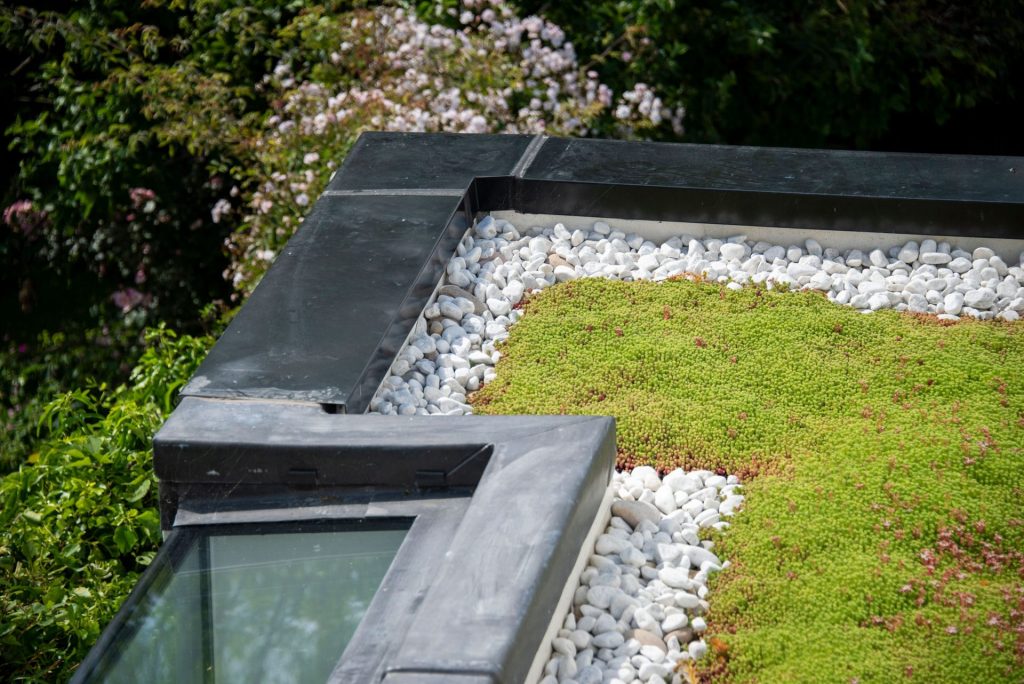
A green roof is a roof surface partially or completely covered with vegetation planted over a waterproof membrane. In residential architecture, the most common form is an extensive green roof, often using sedum planting. Sedum roofs are lightweight, relatively low maintenance and highly effective at improving biodiversity and thermal performance.
Green roofs offer numerous benefits for homeowners:
- Improved insulation and reduced heat loss
- Better rainwater management and drainage
- Increased biodiversity and habitat creation
- Improved air quality
- Reduced urban heat island effect
- Attractive views from upper floors and neighbouring properties
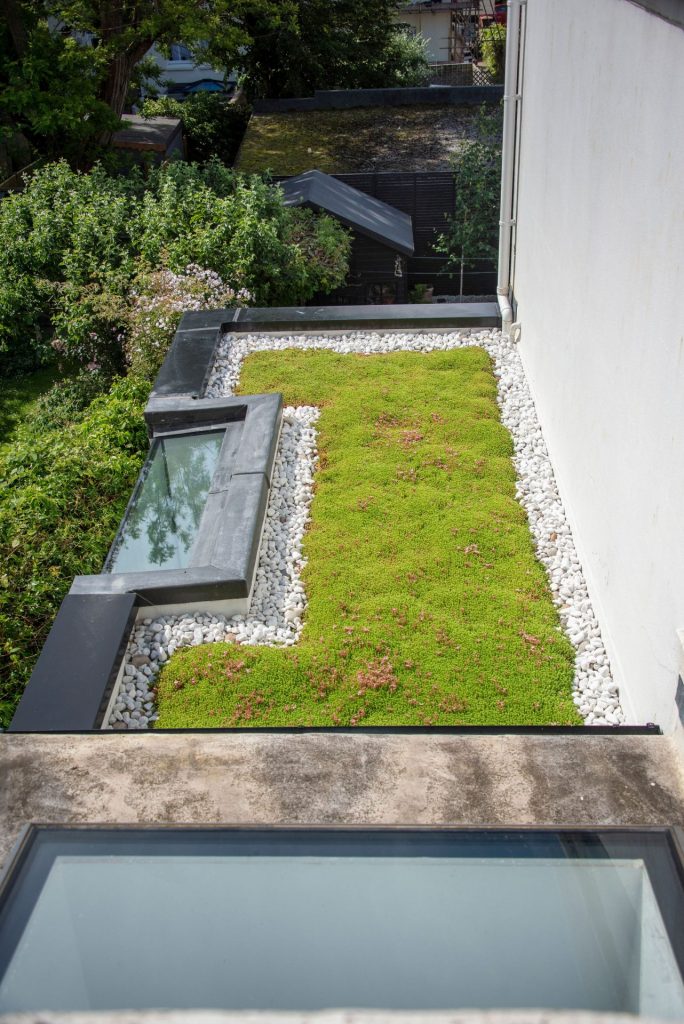
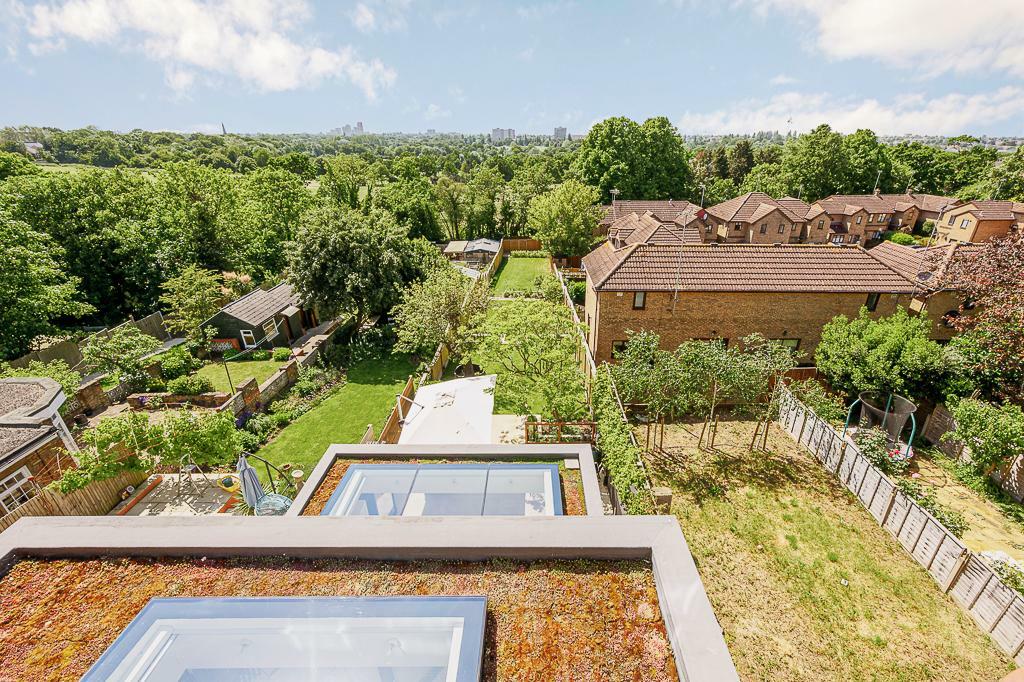
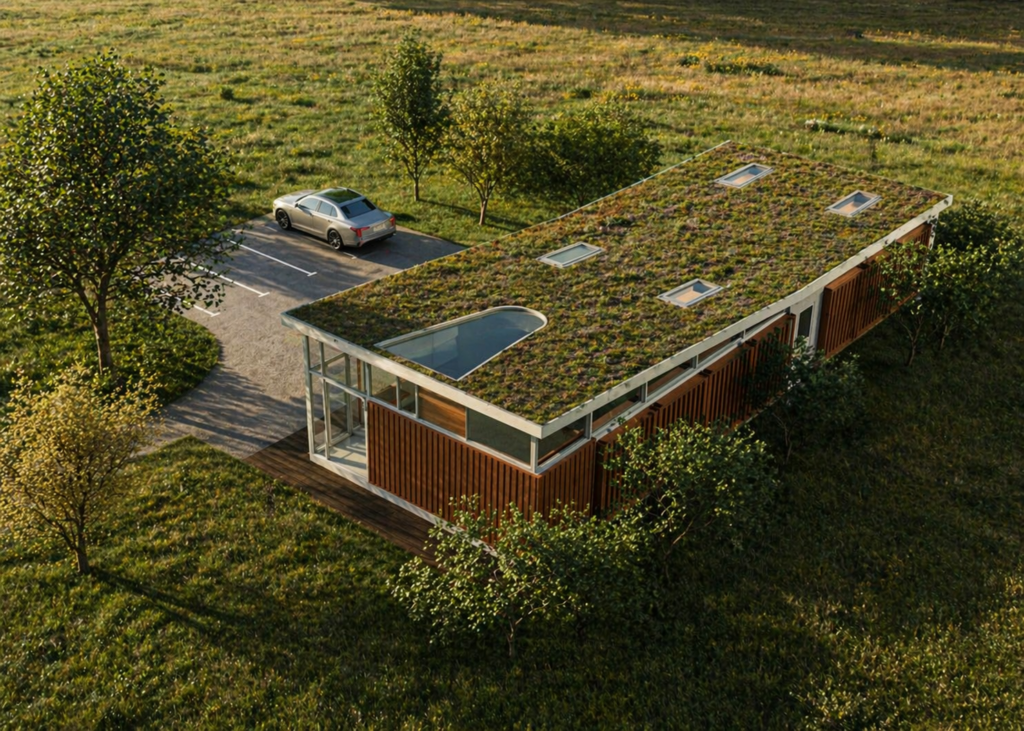
For many extensions, particularly rear and side return extensions, a green roof allows the new addition to blend naturally into the garden environment. Rooflights can also be integrated within sedum roofs to maximise natural daylight while maintaining a soft and organic external appearance.
Green Roof Case Study: Rugby Road
At Rugby Road in Brighton, Shape Architecture designed a contemporary residential extension featuring a green sedum roof that integrates seamlessly with the surrounding gardens. The sedum roof softens the visual impact of the extension when viewed from neighbouring properties while also improving biodiversity and rainwater retention.
The project demonstrates how sustainable design elements can become an integral part of high-quality residential architecture rather than simply an added environmental feature. The green roof complements the natural materials palette and helps create a calm and cohesive relationship between the interior living spaces and the outdoor environment.
What is a Brown Roof?
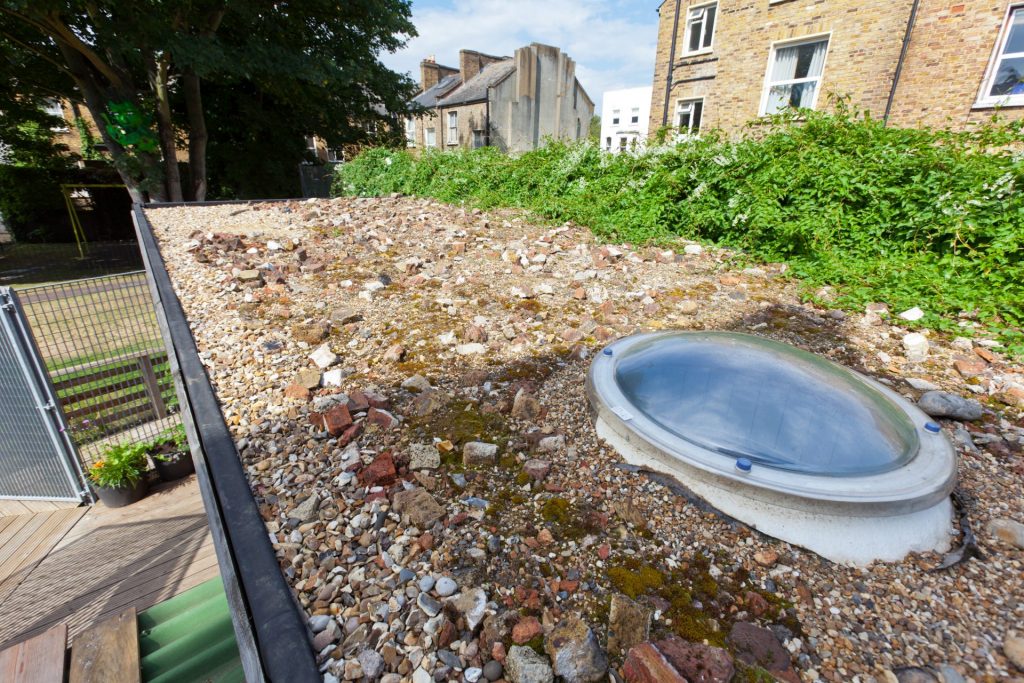
Brown roofs are designed specifically to encourage biodiversity and replicate natural habitats. Unlike green roofs, which are deliberately planted and cultivated, brown roofs are usually created using recycled aggregates, crushed brick, rubble, soil and natural materials that allow vegetation to colonise naturally over time. Brown roofs are particularly valuable in urban areas where natural habitats have been lost through development. They are commonly specified on environmentally sensitive projects where ecological enhancement is a priority. The appearance of a brown roof is generally more rugged and naturalistic than a sedum roof. Wildflowers, mosses and native plant species gradually establish themselves, attracting insects, birds and pollinators.
Brown Roof Case Study: EcoShed 02
EcoShed 02 in Hammersmith is a strong example of how brown roof design can support urban biodiversity while contributing to contemporary residential architecture. The project incorporates a biodiverse roofscape using natural substrates and recycled materials to encourage the gradual establishment of native plant species and habitats for pollinators.
The brown roof was carefully integrated into the wider architectural concept, reinforcing the project’s environmentally conscious approach while maintaining a clean and contemporary design language. In dense urban settings such as West London, biodiverse roofs like this can make a meaningful contribution to local ecology and sustainable urban development.
Choosing Between Green and Brown Roofs
The decision between a green roof and a brown roof depends on several factors, including the type of project, planning requirements, maintenance expectations and aesthetic goals. For residential extensions and contemporary homes, green sedum roofs are often the preferred choice because they provide a clean and elegant finish with predictable maintenance requirements. They are lightweight, easy to install and highly suited to urban residential projects.
Brown roofs, on the other hand, are ideal where biodiversity enhancement is the primary goal or where planners require ecological mitigation measures as part of a development proposal.
In some cases, hybrid approaches can also be developed, combining sedum planting with biodiverse areas to achieve both visual and ecological benefits.
Useful Organisations and Green Roof Specialists
For homeowners and developers interested in sustainable roofing solutions, several organisations and specialist companies provide valuable guidance, products and technical expertise:
- Green Roof Organisation (GRO) — Industry body promoting best practice, technical standards and sustainable roof design in the UK.
- Livingroofs.org — Educational resource dedicated to green roofs, brown roofs and urban biodiversity.
- Bauder UK — One of the UK’s leading manufacturers of roofing and green roof systems.
- ZinCo Green Roof Systems — International green roof specialists known for innovative roof landscaping systems.
- The Wildlife Trusts — Guidance and information on biodiversity, habitat creation and ecological design.
- RSPB — Resources on supporting birds and wildlife within urban environments.
- British Council for Offices (BCO) — Publications and sustainability guidance relevant to commercial developments incorporating biodiverse roofs.
Sustainable Design at Shape Architecture Ltd
At Shape Architecture, sustainability is integrated into our design process from the earliest stages of every project. Our work across London, Brighton and the South East frequently incorporates green roofs, roof terraces, natural lighting strategies and energy-efficient design solutions.
Every project is unique, and we carefully consider how sustainable elements can enhance both the architecture and the everyday experience of living within a space. Whether designing a contemporary extension, a listed building refurbishment or a new family home, our aim is always to create architecture that responds sensitively to its environment.
If you are considering a home extension or renovation and would like to explore sustainable roofing solutions, contact Shape Architecture Ltd to discuss your project.
Frequently Asked Questions
Are green roofs expensive to install?
Green roofs typically cost more than standard flat roofing systems due to the additional waterproofing, drainage and planting layers required. However, they can improve insulation, extend roof lifespan and add long-term environmental value to a property.
Do green roofs require maintenance?
Extensive sedum roofs are relatively low maintenance. They usually require periodic inspections, occasional weeding and checking of drainage outlets to ensure the roof continues to perform effectively.
What is the main difference between a green roof and a brown roof?
A green roof is intentionally planted and designed for visual appearance and environmental performance, while a brown roof is primarily designed to encourage natural biodiversity and habitat creation using recycled and natural materials.
Can green roofs help with planning approval?
Yes. Many local authorities encourage sustainable design measures, including green roofs, particularly in urban areas where biodiversity and rainwater management are important planning considerations.
Are brown roofs suitable for residential projects?
Yes. Although more common on larger developments, brown roofs can also be incorporated into residential architecture where biodiversity enhancement is a key design objective.
Can existing flat roofs be converted into green roofs?
In many cases, yes. However, the existing roof structure must first be assessed to ensure it can support the additional weight of the green roof system, particularly when saturated with rainwater.