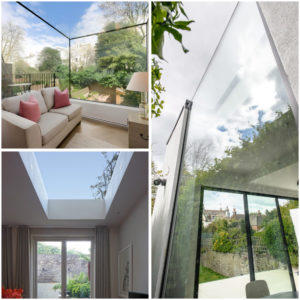


Glass Cube Design
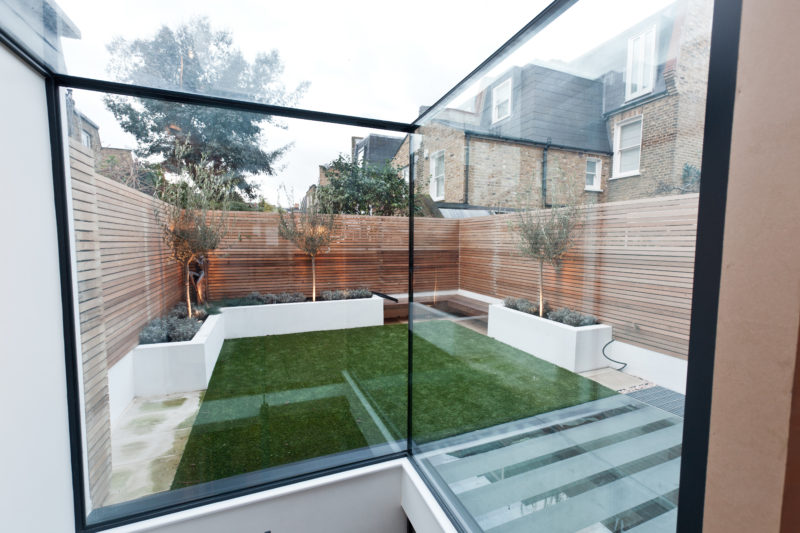
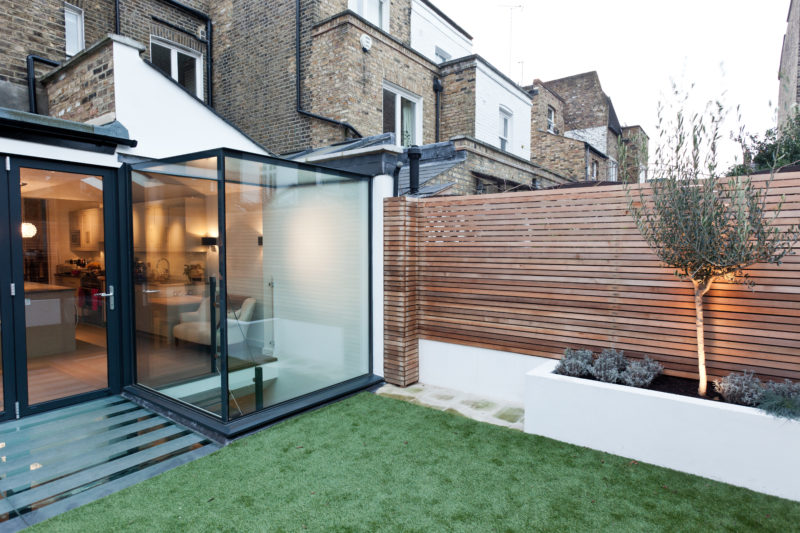
Shape Architecture have designed many glass cubes in their projects. These have variously been places to site or the surround for a stair either as an extension or as an internal feature.
A glass box is a highly resolved form of glazed extension where transparency is prioritised and visual interruptions are minimised. Glass Cubes work wonderfully in a residential setting; they work primarily because they change how a house is used. They create spaces that sit between inside and outside; light becomes the primary material. Views are framed rather than exposed, and the connection to the garden or landscape feels immediate and deliberate. When designed properly, they often become one of the most used spaces in the house; open and intuitive to occupy.
Architecturally, glass boxes often rely on glass meeting glass with minimal framing, concealed structure and precisely resolved junctions. While visually light, these assemblies are technically demanding and require early and careful coordination with specialist contractors to deliver successfully.
Design intent and early engagement
The architect defines the spatial intent, overall geometry, junction strategy, and the interface with the existing building. This includes establishing the plan form and projection of the extension, wall to glass junctions, threshold strategies, and the relationship between internal and external finished floor levels.
At an early stage, a specialist glazing contractor such as Maxlight is consulted to test feasibility. Input at this point typically relates to maximum achievable glass sizes and weights, realistic spans and deflection limits, roof pitch and drainage requirements. The purpose of this stage is to align architectural intent with technical feasibility rather than to resolve detailed fabrication.
Structural coordination
Glass cube extensions typically rely on bespoke steelwork and minimal framing. Load paths must be clearly understood and resolved early, particularly where roof loads are partially or wholly supported by the glazed structure.
Coordination at this stage focuses on the sizing and positioning of primary steel beams and roof plates, working closely with both the structural engineer and glazing manufacturer. This includes the provision of secondary framing to support the glazing systems, the method of connection back to the existing structure, and appropriate allowances for deflection and movement. Architectural drawings must be supported by clear sectional information that sets out build ups, tolerances and critical interface zones.
Once the architectural intent and interface conditions are fixed, the specialist glazing contractor develops detailed fabrication drawings. These will typically cover glass specifications, framing systems and fixings, setting out tolerances, drainage components, and the proposed installation sequence.
The architect’s role at this stage is to review these drawings and comment. Changes made after fabrication commences are and often not feasible.
Installation
Installation is typically quick but highly unforgiving. Groundworks, steelwork and setting out must be accurate and complete before the glazing arrives on site. Tolerances are minimal, and any inaccuracies are immediately exposed once installation begins. In many cases, a crane is required due to glass weights or restricted access, which must be identified and coordinated early in the process.
Summary
Glass cube extensions are not off the shelf glazing products. They are engineered assemblies that require early specialist input, detailed sectional resolution. They will transform a space and flood the interior with light.
Contact Shape Architecture
If you have a similar project you would like to discuss please feel free to contact us at Shape Architecture continues